Supreme Court proposes that banks compensate victims of ‘digital arrest’ fraud
A bench led by Chief Justice Surya Kant has said RBI’s planned rules must make financial institutions repay at least the amount lost where they failed in due diligence. The government’s top law officer says the rules are meant to be operational by December.
By the IWN newsroom
Written by AI from the sources cited.
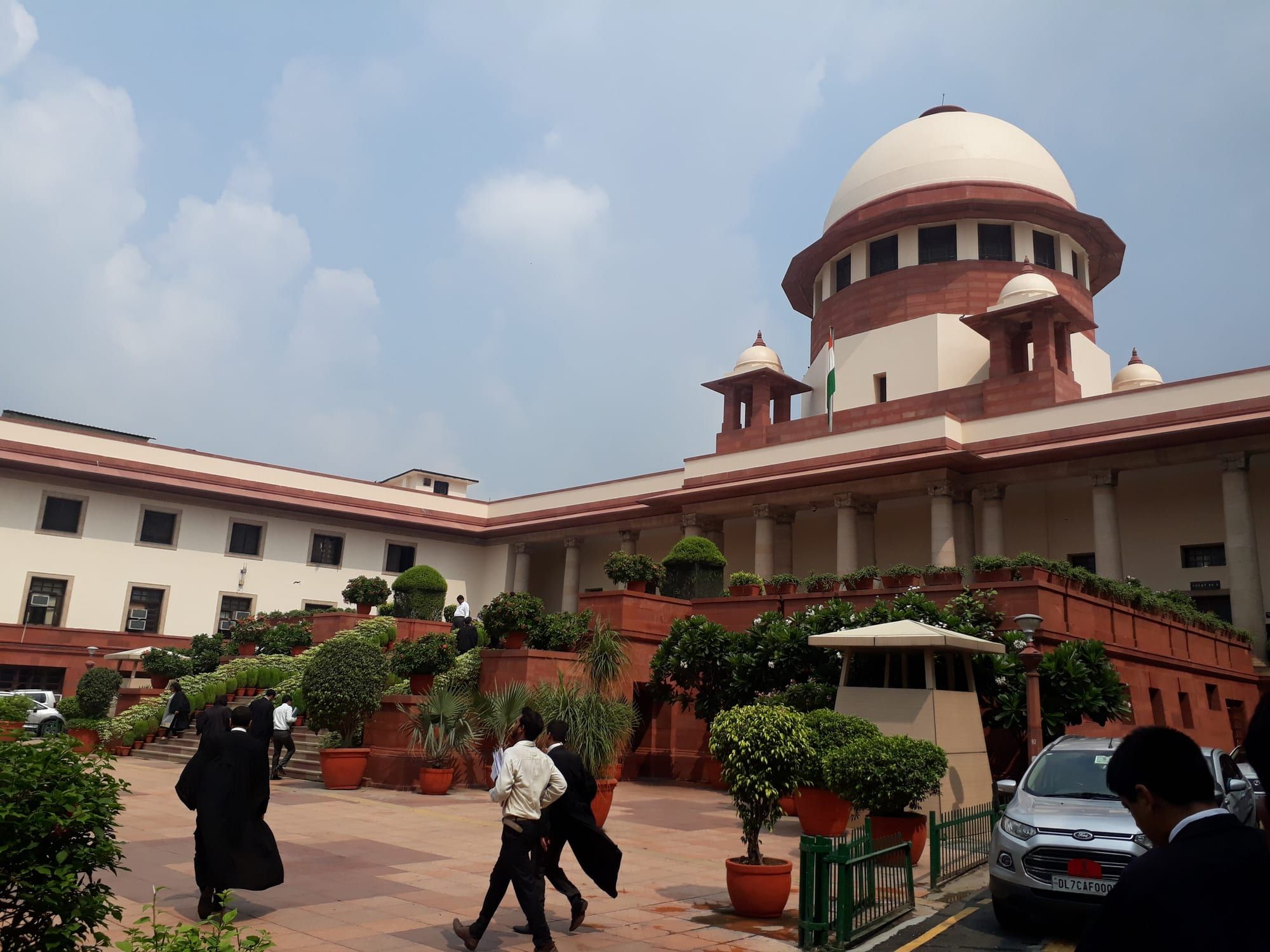
The Supreme Court has said that financial institutions should repay victims of “digital arrest” fraud at least the amount they lost where the institution failed in its due diligence, and that the Reserve Bank of India’s (RBI) planned rules must say so2. The proposal came on Thursday in a suo motu case before a bench of Chief Justice of India Surya Kant and Justices Joymalya Bagchi and V Mohana12.
LiveLaw describes the court’s position as strict liability for banks, where the institution or its officials are found negligent in exercising due diligence2. It notes that the observations were a proposal and not an order already issued2. The case is titled “In Re: Victims of Digital Arrest Related to Forged Documents”2.
What the bench proposed
According to The Week, the court is considering directing that banks and other financial institutions compensate victims wherever such fraud occurs, and face prosecution if a failure of due diligence is proved1. The Chief Justice said: “We are proposing to direct that wherever such fraud takes place, bank will compensate victim and suffer prosecution”1.
LiveLaw reports that the bench said that in a digital arrest case the debit from the victim’s account should be zero, with the bank bearing the full liability2. Justice Bagchi said the court was proposing strict liability for financial institutions and questioned whether RBI’s rules would have enough enforcement strength2. The bench also suggested that banks sort accounts into three or four risk groups, halt unusual transactions and notify local police, who would verify with the customer, and it asked whether the proposed rules cover intermediaries such as WhatsApp2.
On prevention, the Chief Justice said unusual transactions should be stopped until verified, and that a report would only be a post-mortem, asking what was being done about prevention1. He also said that bank officials were themselves involved in some cases2.
The scale of the problem
About ₹800 crore (₹8 billion) was reportedly lost to digital arrest scams this year1. The amicus curiae, senior advocate N S Nappinai, cited a recent case in which a woman lost ₹2.5 crore (₹25 million), and told the court that such incidents continue to occur12. The Chief Justice remarked that banks already negotiate one-time settlements worth crores in loan recovery1.
The government’s position
Attorney General R Venkataramani opposed court-imposed punishment for banks, arguing that RBI should handle such regulatory measures1. He told the bench that RBI’s proposed rules against digital arrests would soon be operational as part of wider cyber-threat reforms, and that banks now flag suspicious transactions better than they did six months ago1. LiveLaw reports that he said RBI, the Ministry of Electronics and Information Technology and the Department of Telecommunications are working on measures that may be operational by December, and that he asked for more time for banks to align2.
LiveLaw adds that the liability of bank officials who collude with the accused is under consideration2. The Week reports that the Indian Cyber Crime Coordination Centre is also working on the issue1. The report on the hearing does not say when the court will next take up the matter.
What we know
- The Supreme Court is hearing a suo motu case on digital arrest fraud before a bench of CJI Surya Kant and Justices Joymalya Bagchi and V Mohana.
- The bench said RBI's proposed regulations must require financial institutions to compensate victims with at least the amount lost where due diligence failed.
- About ₹800 crore (₹8 billion) was reportedly lost to digital arrest scams this year.
- Attorney General R Venkataramani opposed court-imposed penalties on banks and said RBI should handle them; he said RBI measures may be operational by December.
What we don’t know yet
- Whether the court will issue a formal order making prosecution of banks possible is not settled; LiveLaw describes the proposal as not yet an order.
- The final text of RBI's rules, and how strictly liability will be defined, has not been published in the reports.
- It is unclear how intermediaries such as messaging platforms will be covered, a question the bench raised.
Sources
- 1.Supreme Court considers making banks compensate digital arrest victimsThe Week · 29 October 2026 · theweek.in
- 2.Supreme Court Says Banks Must Compensate Cyber Fraud Victims If It Took Place Due To Bank's Lack Of Due DiligenceLiveLaw · 29 October 2026 · livelaw.in