Bhutan glacial lake outburst sends flood alerts to West Bengal and Assam
Floodwater from Sintaphu lake in northern Bhutan destroyed a hot spring complex and a stretch of highway on Thursday evening. Authorities in West Bengal and Assam have since issued alerts and ordered evacuations along rivers that carry the water into India.
By the IWN newsroom
Written by AI from the sources cited.
A glacial lake outburst flood in northern Bhutan on Thursday evening has led authorities in West Bengal and Assam to issue flash flood alerts and order the evacuation of vulnerable areas downstream1. The outburst took place at Sintaphu lake near Wakila mountain, in Lungo, Laya gewog, in Bhutan’s Gasa district12. The floodwater reached Taktsemakhang at about 8:15 pm on 29 October2.
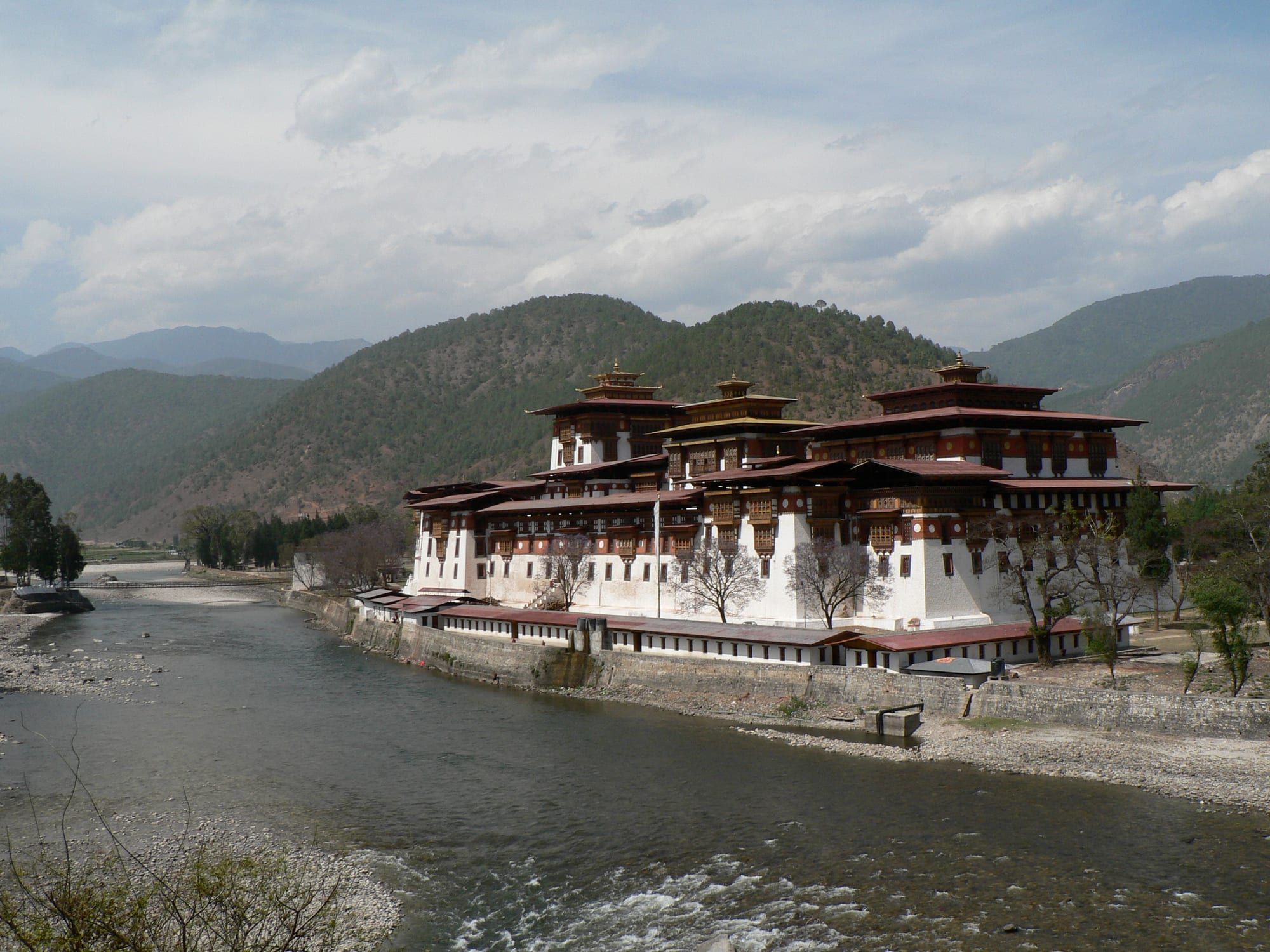
In Bhutan, the water washed away the Gasa Tshachu hot spring complex, which stands beside the Mo Chhu river, according to an ANI report carried by The Tribune2. A section of the Punakha-Gasa Secondary National Highway, near the 31.85 km point, was swept away entirely, and the road was closed to all traffic until further notice2. A road to Laya, a remote highland community, was also damaged and closed2. No deaths or injuries had been reported as of the morning of 30 October, and precautionary evacuations were carried out in places that could be exposed, with warning sirens activated2. The report adds that the cause of the water release, the volume of water and the full extent of the damage were still unconfirmed2.
Alerts across the border
The Union water resources department said on Thursday night that the floodwater would reach the Bhutan-India border in six to eight hours and could affect districts in both states1. The Central Water Commission issued a special flood advisory for West Bengal and Assam, warning of a sudden rise in water levels in Alipurduar and Dhubri districts, and local authorities were advised to monitor the Sankosh river closely2.
Scroll reported, citing Reuters, that Cooch Behar, Tufanganj and Busirhat along the Sankosh and its tributaries were on high alert in West Bengal1. Scroll quoted the state’s water resources minister, Nisith Pramanik, as saying, per The Indian Express, that people near tea gardens in northern West Bengal and in riverbeds “must evacuate immediately”1. The Alipurduar superintendent of police, Amit Kumar Shaw, told residents there was “absolutely no need to panic”1.
In Assam, settlements along the Brahmaputra were asked to stay alert1. Chief Minister Himanta Biswa Sarma said the state was monitoring vulnerable areas in Dhubri and Kokrajhar districts and that its teams were coordinating with the National Disaster Response Force1.
How the water reaches India
The Tribune’s report traces the route of the flood. Sintaphu lies at the headwaters of the Mo Chhu, which runs south through Gasa and Punakha, joins the Pho Chhu to form the Punatsangchhu, and enters India as the Sankosh2. Precautionary warnings were issued in North Bengal, where communities along the Sankosh and its tributaries were advised to move to safer locations2.
A lake that was on the watch list
Sintaphu appears on Bhutan’s official list of 17 potentially dangerous glacial lakes, a classification that means a lake needs continued monitoring, not that an outburst is certain2. Bhutanese specialists studied the lake in May and June 2023, and monitoring equipment has since been installed in the area2.
Scroll placed the event in a wider regional picture. Sikkim has almost 700 glacial lakes, 21 of them classed as potentially dangerous with a high outburst probability, and glacial lakes in Himachal Pradesh have increased by more than 500% since 19901. In August, a flash flood triggered by a glacial lake outburst on the Nepal-China border killed nearly 1,500 people, injured more than 9,200 and left 5,000 missing1. Scientists cited by Scroll say that rising temperatures have increased snowmelt, raising the number and size of glacial lakes1.
Travellers in Bhutan have been advised to postpone non-essential journeys or confirm alternative arrangements2. Officials in India have not reported damage on the Indian side in the coverage read for this article, and the Tribune notes that its copy is a syndicated ANI feed published as received2.
What we know
- A glacial lake outburst flood occurred at Sintaphu lake, near Wakila mountain in Gasa district, Bhutan, on the evening of Thursday 29 October.
- The Gasa Tshachu hot spring complex was washed away and a stretch of the Punakha-Gasa highway was destroyed; no deaths or injuries had been reported by the morning of 30 October.
- Flood alerts and evacuations were ordered in West Bengal and Assam, and the Central Water Commission issued a special flood advisory for both states.
- Sintaphu is on Bhutan's list of 17 potentially dangerous glacial lakes.
What we don’t know yet
- What triggered the release of water, and how much water was released, remain unconfirmed.
- How much of the flood will still be in the river when it reaches the Indian plains is not yet clear from the reports.
- The full extent of the damage in Bhutan is still being assessed.
Sources
- 1.Flood alerts, evacuations in Bengal, Assam after Bhutan glacial lake outburstScroll.in · 30 October 2026 · scroll.in
- 2.Bhutan GLOF washes away Gasa hot spring complex, damages highway; assessment underwayThe Tribune (ANI feed) · 30 October 2026 · tribuneindia.com