Cyclone Arnab weakens after hitting Andhra Pradesh coast, with at least three dead
The very severe cyclonic storm made landfall on Wednesday after large evacuations in Andhra Pradesh and Odisha. It has since weakened, but heavy rain and flash-flood risk continued in southern Odisha.
By the IWN newsroom
Written by AI from the sources cited.
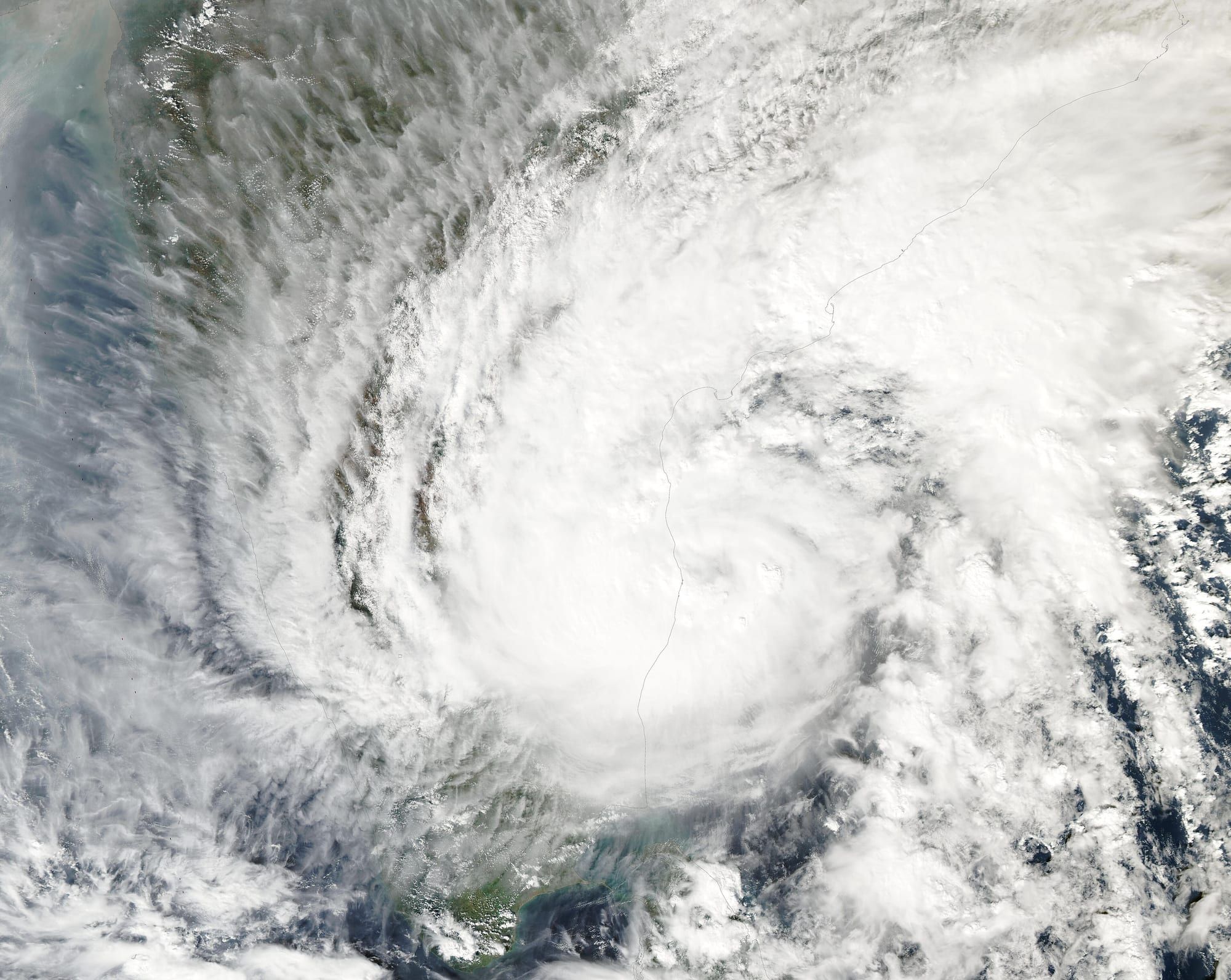
Cyclone Arnab crossed the Andhra Pradesh coast early on Wednesday 28 October as a very severe cyclonic storm and then weakened to a severe cyclonic storm after moving inland23. At least three people were killed, according to Al Jazeera, which cited a National Disaster Response Force (NDRF) official, Narendra Singh Bundela, who said Andhra Pradesh was the worst affected state2. Officials told Reuters that two deaths were caused by a falling tree and by electrocution2.
The India Meteorological Department (IMD) placed landfall on the stretch of coast between Bapatla and Visakhapatnam, and Euronews reported winds of 125 to 135 km/h with gusts of up to 150 km/h1. All India Radio described the landfall as being along the Andhra Pradesh-Yanam coast3. The storm had strengthened into a “very severe cyclonic storm” late on Tuesday1.
Evacuations and damage
Reports differ on how many people were moved out. Euronews put the figure at nearly 100,000 across two states, about 50,000 in Andhra Pradesh and 48,000 in Odisha1. Al Jazeera reported that about 180,000 people were evacuated from the two states the day before landfall2. Authorities said more than 12 million people live along the expected path12.
Authorities set up more than 2,000 cyclone shelters in 20 districts, secured more than 30,000 fishing boats and deployed nearly 1,100 medical teams, Euronews reported1. Chief Minister N Chandrababu Naidu said: “Protecting every life is our foremost priority”1.
After landfall, trees fell onto highways and power supplies were disrupted2. Mr Naidu wrote to Union Home Minister Amit Shah that at least 180 houses were destroyed and 220 trees brought down, Al Jazeera reported2. Flights and trains were cancelled and some schools closed2. The IMD had forecast a storm surge of up to 1.5 metres above tide level that was likely to flood low-lying areas of Andhra Pradesh2.
Odisha stays on alert
All India Radio reported that the IMD expected the system to weaken into a deep depression and cross Malkangiri in Odisha on Wednesday evening3. The IMD forecast heavy to extremely heavy rain, gusty winds and possible sudden flooding in several southern districts, with Ganjam, Gajapati, Rayagada, Koraput and Malkangiri at particular risk of flash floods3. Fishermen were told not to go to sea, some train services were halted or limited, and bus services to southern Odisha were disrupted3. Odisha kept rescue teams on standby and set up shelters3.
Neighbouring countries
Sri Lanka closed schools and warned of flash floods and landslides, and Nepal warned tourists against high-altitude areas from Thursday to Saturday over fears of downpours, snowstorms and avalanches, Al Jazeera reported, adding that Reuters said trekking permits were suspended for three days2.
The IMD had warned of severe damage to thatched homes, localised flooding, downed power and communication poles and widespread crop damage1. The reports read for this article were published on 28 October, and the casualty and damage figures in them are early.
What we know
- Cyclone Arnab made landfall on the Andhra Pradesh coast on Wednesday 28 October as a very severe cyclonic storm, with winds of up to 135 km/h, then weakened.
- At least three people died in Andhra Pradesh, according to Al Jazeera, which cites a National Disaster Response Force official and Reuters.
- Evacuation figures differ between outlets: nearly 100,000 in one account and about 180,000 in others, across Andhra Pradesh and Odisha.
- Southern Odisha districts, including Ganjam, Gajapati, Rayagada, Koraput and Malkangiri, were at risk of heavy rain and flash floods.
What we don’t know yet
- The final death toll and the extent of crop and housing damage are not yet clear from the reports.
- The reports differ on exactly how many people were evacuated.
- How much flooding the weakened system caused in Odisha is not described in the reports read.
Sources
- 1.India evacuates tens of thousands as Cyclone Arnab makes landfallEuronews (AP, AFP) · 28 October 2026 · euronews.com
- 2.At least 3 dead after Cyclone Arnab hits southern IndiaAl Jazeera · 28 October 2026 · aljazeera.com
- 3.Cyclone Arnab weakens after landfall along Andhra PradeshAll India Radio (newsonair.gov.in) · 28 October 2026 · newsonair.gov.in