Comey asks federal judge to dismiss third Justice Department case, this one under the Espionage Act
Lawyers for the former FBI director were due in a Washington courtroom Friday to argue that prosecutors filed charges too late and without a grand jury. The Justice Department says the filing was needed to beat a 10-year statute of limitations.
By the IWN newsroom
Written by AI from the sources cited.
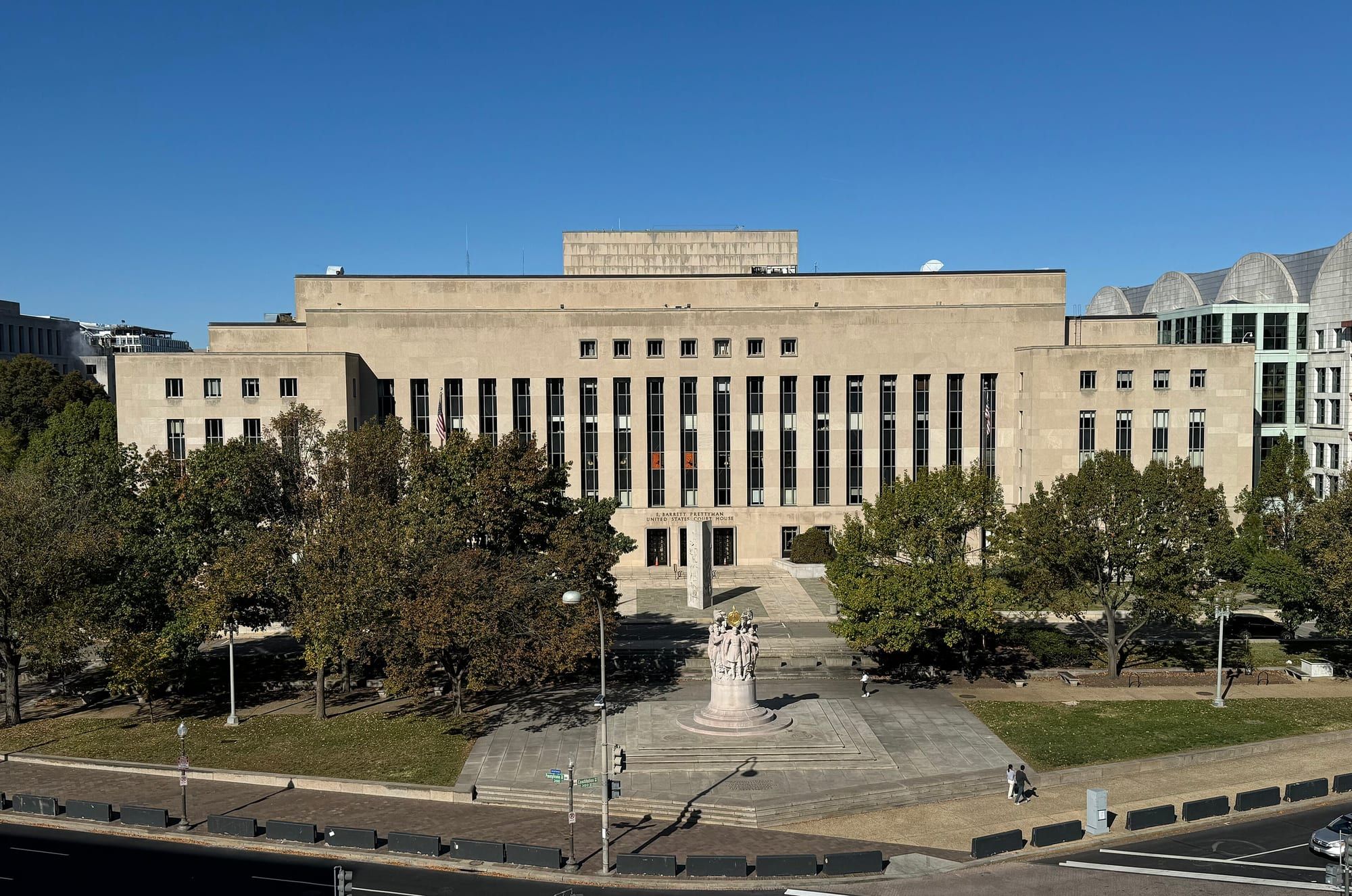
James Comey’s lawyers were scheduled to appear before a federal judge in Washington on Friday to ask that the Justice Department’s newest criminal case against the former FBI director be thrown out12. They argue it was brought too late and in a form the law does not allow for this kind of charge12. The government says the opposite: that the filing was necessary to keep the case alive before a 10-year time limit ran out1.
What prosecutors allege
The case is built on the Espionage Act. Prosecutors allege that Comey transmitted national defense information to someone not legally entitled to receive it, in connection with a 2016 New York Times article1. According to NBC News, the allegation is that Comey, then FBI director, authorized staff to speak to a Times reporter in October 2016 to correct the record about a report involving classified information2. Comey’s lawyers place the alleged disclosure on Oct. 5, 20161.
The charging document was filed under seal on Oct. 5 of this year, exactly 10 years after the Times story, NBC reported2. It is a criminal information, a charging document that prosecutors can file directly. Unlike an indictment, it does not require a grand jury, and unlike a criminal complaint, it does not need a judge to find probable cause12. U.S. District Judge Trevor McFadden ordered the case unsealed on Monday and scheduled Friday’s hearing on Comey’s motion to dismiss2.
The dispute over the deadline
Comey’s lawyers wrote in early October that the information “should be dismissed as time barred,” arguing that it does not meet the statutory requirements for an extended 10-year limitations period1. They also say two separate U.S. attorneys’ offices examined the alleged disclosure and both declined to bring charges1. After the filings were unsealed, his team said he “steadfastly maintains his innocence”1.
The Justice Department responds that the motion is premature because no indictment has been returned, so “there is no indictment to be dismissed”1. It also argues that the 10-year period applies to the underlying allegations and that an information may, by rule, substitute for an indictment in a felony case1. After an emergency hearing earlier this month, the department agreed not to seek an indictment for 30 days, according to Comey’s attorneys1.
Sarah Krissoff, a former federal prosecutor quoted by NBC News, said the way the case was handled “undermines” the government’s own complaint, and called the handling “disturbing”2.
Two earlier cases
The new case follows two others. In September 2025, a grand jury in the Eastern District of Virginia indicted Comey on a charge of lying to Congress; a judge later dismissed it because Lindsey Halligan, the prosecutor who oversaw it, had been unlawfully serving12. This year, a federal grand jury in the Eastern District of North Carolina indicted him over a social media photo of seashells that prosecutors described as a threat against President Trump2. Comey’s team says it was not a threat and has asked the court to dismiss that case as selective and vindictive prosecution; the trial has been pushed to 2027 and no ruling has been issued12.
Comey’s lawyers argue the charges are politically motivated1. The sources reviewed for this article do not include a response from the Justice Department to that characterization, and the outcome of Friday’s hearing was not known when this article was written.
What we know
- The Justice Department has filed a criminal information, not an indictment, accusing James Comey of violating the Espionage Act in connection with a 2016 New York Times article.
- Comey's lawyers say the alleged disclosure took place on Oct. 5, 2016, and that the 10-year statute of limitations has run out.
- This is the third case the department has brought against Comey in about 13 months; the first was dismissed and the second is pending in North Carolina.
- Judge Trevor McFadden ordered the new case unsealed on Monday and set a hearing on the motion to dismiss for Friday, Oct. 30.
What we don’t know yet
- How will Judge McFadden rule on whether a criminal information can stand in place of an indictment here?
- Will the Justice Department seek a grand jury indictment during the 30-day period it reportedly agreed to?
- What exactly did Comey authorize or say to the reporter in 2016, and was any of it classified?
Sources
- 1.DOJ and Comey's lawyers to face off in court today over latest attempt to charge himCBS News · October 29, 2026 · cbsnews.com
- 2.James Comey team in court seeking to toss out third DOJ case against longtime Trump foeNBC News · October 29, 2026 · nbcnews.com